How My Life Is Richer After 38 Years of Dancing
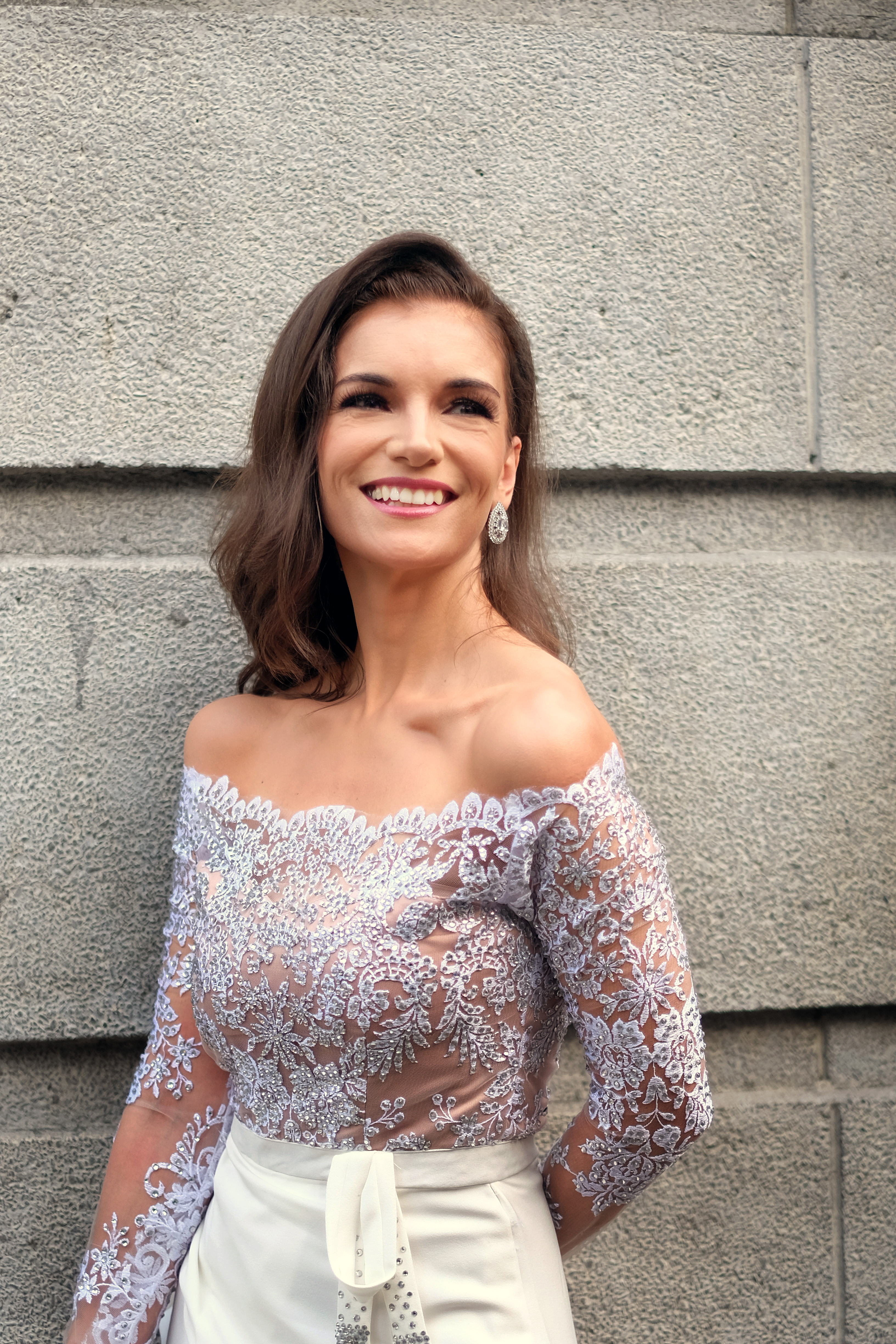

I started dancing when I was 6 years old. Cultural dances first. The kind where movement carries history, not just rhythm. I had no idea then that what felt like play would quietly shape everything about who I became.
Not just how I move.
How I think.
How I lead.
How I connect.
Let me explain.

My dance story went through many chapters.
Cultural dances as a child, then 25 years of competing in Ballroom and Latin. Those competition years built something in me I didn't fully understand until much later. Discipline, yes. But also a way of reading people and situations that no classroom ever taught me.
Then, 15 years ago, I found Argentine Tango. And everything changed again.
Since then I've explored Kizomba, Salsa, Bachata, West Coast Swing and so many other styles from around the world.
Each one brought me closer to understanding something I now can't unknow: every dance culture is carrying a different answer to the same human question. How do we connect with each other?

That part surprised me the most.
Here's the thing about dancing for 36 years that nobody really talks about. The benefits you expect, the fitness, the coordination, those come. But the benefits that actually change your life? They're hiding somewhere else entirely.
Let me share what I mean.
When I first started dancing, I just loved moving to music. Simple as that. I didn't know that researchers were already studying exactly what was happening to my brain while I did it.
A study from Albert Einstein College of Medicine followed 469 people over 75 years old for 21 years. The result shocked everyone: dancing reduced the risk of dementia by 76%. Higher than reading. Higher than doing crossword puzzles. Higher than almost anything else they tested.

Dr. Richard Powers from Stanford explains it this way: dancing integrates several brain functions at once, kinesthetic, rational, musical, and emotional. All firing together. At the same time.
After 36 years, I understand exactly why. Every dance asks you to make split-second decisions while listening to music, moving your body, and staying genuinely connected to another person. Its like a full workout for your brain disguised as joy.
Now let me correct myself here. It's not just the brain.
Most of my friends are already complaining about back pain and joint problems at 43. I feel stronger now than I did at 25. My doctor says the same thing every checkup: excellent posture, excellent results.
The New England Journal of Medicine published research showing that people who dance regularly have better balance, stronger bones, and fewer falls as they age. 25 years of competitive dancing built a physical discipline I still live in every day.
But here's the wild part. The benefits that surprised me most had nothing to do with my body at all.

They had everything to do with my business.
A study from the University of Missouri found that people who dance regularly score higher on creative thinking and problem-solving. I believe it completely.
In Argentine Tango especially, you learn to read another person in seconds. You feel when they're tense, distracted, or fully present. You adjust without words. You lead or follow based on what's actually needed right now, not what you planned before the music started.
Now read it again and relate it to your work.
In meetings, negotiations, leadership. That exact skill: reading the room, adjusting your energy, communicating without forcing. That's what makes someone effective. Not just smart. Actually effective with people.
Dr. Howard Gardner from Harvard, who developed the theory of multiple intelligences, explains that the spatial and kinesthetic intelligence built through dance transfers directly to how we solve problems. My colleagues often ask how I stay calm under pressure. How I read a room so well. The answer is simple. 36 years of dancing with thousands of people from every culture on earth.

And the cherry on the top is this: the cultural education I never planned for.
Starting with cultural dances as a child gave me something I couldn't have gotten from a book or a business school. Each dance style carries the soul of where it comes from. Ballroom showed me European elegance and structure. Tango taught me authentic connection and what it means to truly be present with another person. Kizomba connected me to African rhythms and community warmth. Salsa and Bachata showed me Latin American joy and celebration.
After 40+ styles over 36 years, I understand cultural differences in a way that constantly helps me when working with international clients and diverse teams. I'm not guessing at what they need. I've moved with their culture. I've actually felt it in my body.
Martha Graham once said that dance is the hidden language of the soul. When I was 6, that sentence meant nothing to me. Now I know it's literally true.
Research from Oxford shows that dancing with others releases more endorphins than exercising alone. Over 36 years, that translated into a global network of real friendships. Not connections. Friends. People I can find in almost any city I travel to for work. People who share something real with me before we even have our first conversation.
The paradox though: belonging is the thing people say they're looking for everywhere. In companies, in cities, in cultures. And here it is. Available on any dance floor in the world. Every single night.
The thing that looked like a hobby was actually building my entire life infrastructure.
At 43, I'm still discovering new layers in Argentine Tango. Still learning. Still being surprised by what a 3-minute dance can teach me about a person, a culture, myself.

George Bernard Shaw said life isn't about finding yourself, it's about creating yourself. Dancing gave me 36 years of doing exactly that.
Whether you're 6 or 60, whether you've danced before or never once tried, its never too late to start. Your brain will thank you. Your body will thank you. And your relationships and your work will quietly, gradually, change.
Cultural dances taught me respect for tradition.
Competition taught me discipline.
Tango taught me authentic connection.
And social dancing taught me that belonging isn't a place.
Its a feeling you create with others.
That feeling is available to everyone.
Anyway, If you want to experience any of this for yourself, come dance with me 🤗
Andrea Zsapka, The Dancing Economist

Sources: Albert Einstein College of Medicine, New England Journal of Medicine, University of Missouri, University of Oxford, Journal of Applied Gerontology, Mayo Clinic, University of Gothenburg
Comments